If you’ve read our earlier pieces on What Is an Interactive Campaign and Why Interactive Campaigns Outperform Traditional Marketing in 2025, the next question is obvious:
“What does great actually look like in the real world?”
Below is a curated list of 10 standout interactive campaigns around 2024–2025 that are shaping how brands think about engagement, gamification, and interactive experiences. These examples come from global brands, regional activations, and award-winning campaigns — all rich with ideas marketers can adapt.
1. Škoda “Skodaverse” – Web3 Meets Immersive Brand World
Škoda launched Skodaverse, a Web3-powered experience where users could explore virtual environments, unlock digital collectibles, and interact with the brand in a gamified, immersive way. It blended NFTs, virtual spaces, and interactive storytelling to build a community around the brand, not just a one-off campaign.
Why it matters: It shows how interactive campaigns can move beyond simple games into full ecosystems — ideal inspiration for loyalty journeys and membership communities.
2. L’Oréal AI & AR Beauty Experience – Personalised, Playable Beauty
L’Oréal combined AI-powered beauty consultations with AR virtual try-ons, letting customers “test” makeup and skincare in real time, with personalised recommendations and gamified product discovery. Some experiences even added playful challenges to introduce new products.
Why it matters: Personalisation + interactivity = serious engagement. Beauty and retail brands can mirror this using AR mirrors, mobile try-ons, or interactive kiosks in malls.
3. Nike’s Interactive Virtual Showroom & Foot Scanning Tools
Nike has doubled down on interactive retail tech, including virtual showrooms and mobile tools that scan your foot to find the perfect shoe size. One experience lets users explore products virtually, while another uses AI and data to recommend the best fit, turning shopping into a guided, interactive journey.
Why it matters: Utility is engagement. Interactive campaigns don’t always have to be “fun and flashy” — helping users solve a problem in an interactive way is just as powerful.
4. Coca-Cola “Take a Taste Now” – AR + DOOH At Scale
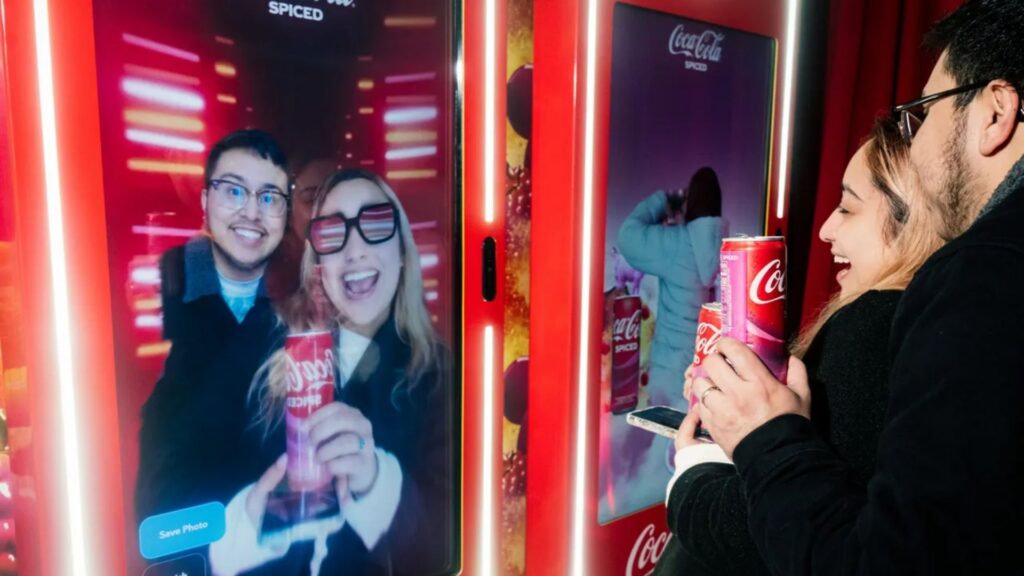
Coca-Cola’s #TakeATasteNow used large-format digital out-of-home (DOOH) screens combined with AR to bring bottles to life and invite passers-by into a playful, layered experience. Users could scan, interact, and unlock experiences linked to the brand in real time.
Why it matters: Think interactive billboards in high-traffic areas combined with mobile triggers such as QR, AR lenses, or instant rewards.
5. LG “Tilt to Purify” – Motion-Controlled Mobile Quiz
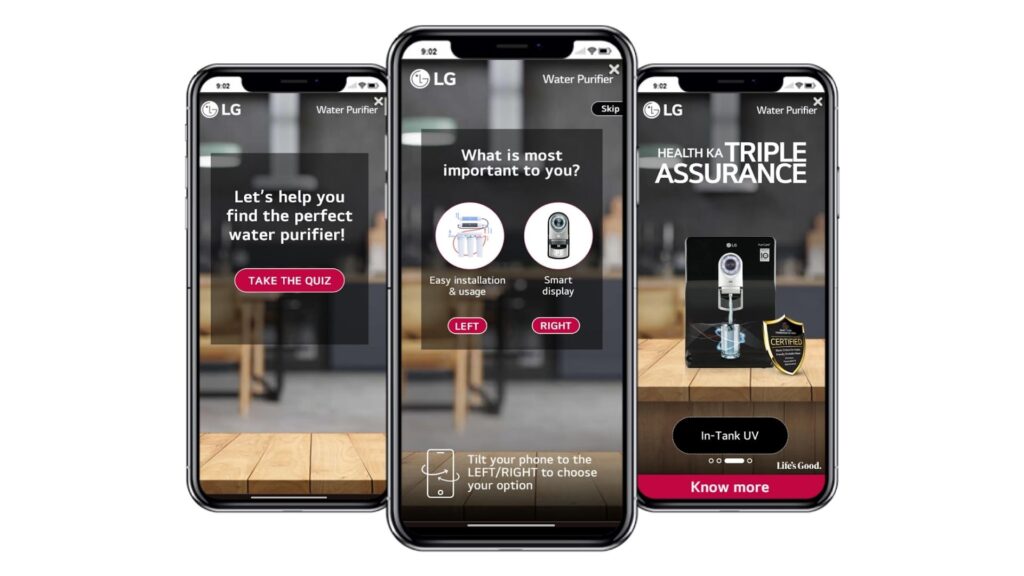
LG partnered with mCanvas on a mobile campaign promoting its water purifiers. Users completed a four-question quiz controlled by tilting their phones, using gyroscopic sensors to “pour” and interact with elements on screen. The campaign reached millions of consumers and delivered engagement far above standard banners.
Why it matters: Motion, sensors, and simple mechanics can turn even a utility product into a memorable experience — a great reference for mobile-first campaigns in APAC.
6. Maggi Vietnam “Build Your Own Bowl” — Fun, Food, and Interaction
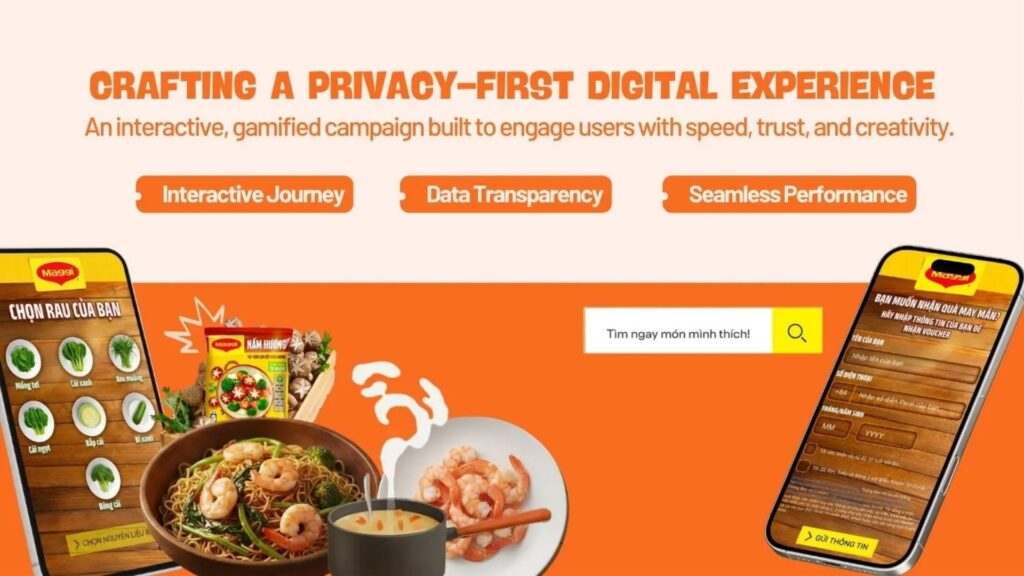
Maggi Vietnam ran an interactive campaign where users built their own Maggi bowl in a gamified, visual experience. Participants assembled ingredients digitally, with the journey designed to be privacy-first while still capturing rich engagement data.
Why it matters: Food brands can move beyond static recipes into playful, build-your-own experiences — perfect for integrating with omnichannel retail, sampling, or supermarket activations.
7. Doritos “Triangle Tracker” — Gamified Snack Adventure
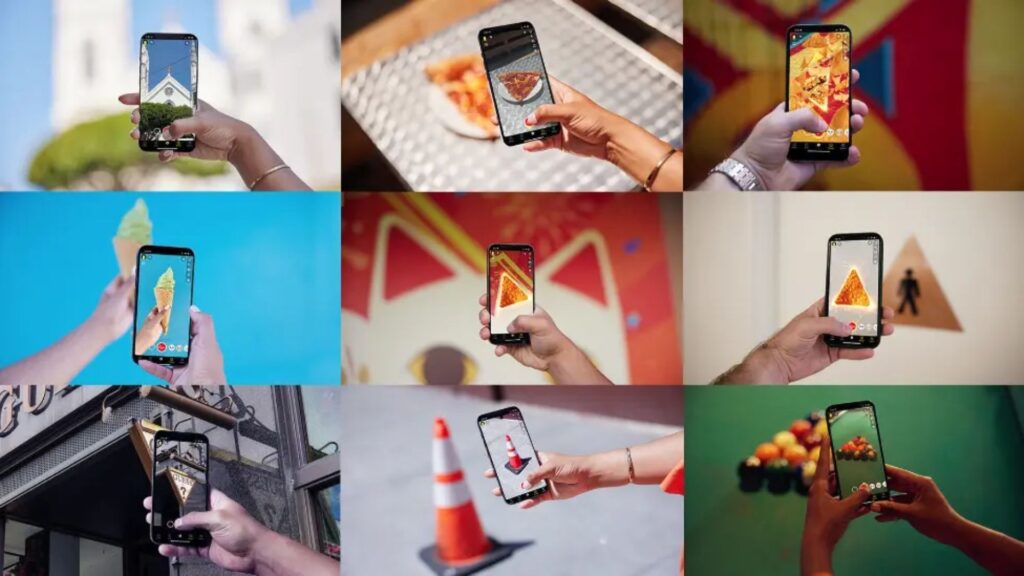
Doritos’ “Triangle Tracker” transformed the brand’s iconic triangle shape into a global interactive game. The campaign encouraged people to spot triangle shapes in the real world, upload them, and unlock digital surprises and rewards. Using computer vision, social participation, and playful gamification, Doritos turned everyday moments into brand interactions — making it one of the most referenced creative campaigns in recent marketing roundups.
Why it matters: It shows how brands can use a simple shape, strong brand identity, and mobile interactivity to generate massive engagement across social platforms.
8. Heinz “Looks Familiar” — Hyper-Interactive Global Visual Challenge
Heinz’s “Looks Familiar” campaign became a global sensation by turning the brand’s iconic ketchup silhouette into an interactive visual game. The campaign invited audiences worldwide to test whether they could recognise Heinz from minimalistic shapes and patterns — sparking duets, recreations, and playful reactions across social platforms.
Why it matters: It proves that interactivity doesn’t always need tech. Sometimes a clever visual challenge is enough to spark mass participation and cultural buzz.
9. Google Interactive Campaign — Playable. Engaging. Everywhere.

Google’s recent interactive campaign, highlighted on the agency case-study page of Team Lewis, demonstrates how even tech giants are embracing playable marketing. The campaign lets users engage with interactive games and immersive content directly through Google’s channels — turning brand storytelling into a fun, participatory experience.
Why it matters: It shows how interactivity can be built into platforms people already use — making engagement feel natural, intuitive, and highly shareable.
10. YORD x LEGO — Immersive 3D Interactive Play Experience
YORD Studio’s collaboration with LEGO, widely referenced in immersive-experience roundups, showcased how interactive 3D environments can turn digital play into branded engagement. Users explored animated LEGO scenes, tapped elements to reveal stories, and interacted with pieces as if they were building inside a virtual world.
Why it matters: This project is a perfect example of how brands can merge physical products with digital exploration — ideal for retail activations, exhibitions, and education.
Engage Your Customers Developing Effective Interactive Experiences with Real Nation
Interactive campaigns are rewriting the rules of marketing, proving that experiences people can touch, play, or explore will always outshine content they simply scroll past. And in 2025, the brands that win will be the ones brave enough to build moments people truly want to participate in.
At Real Nation, we believe in creating digital experiences that feel alive, designed for curiosity, connection, and joy.
If you’re ready to bring your next interactive idea to life, we’d love to build it with you.