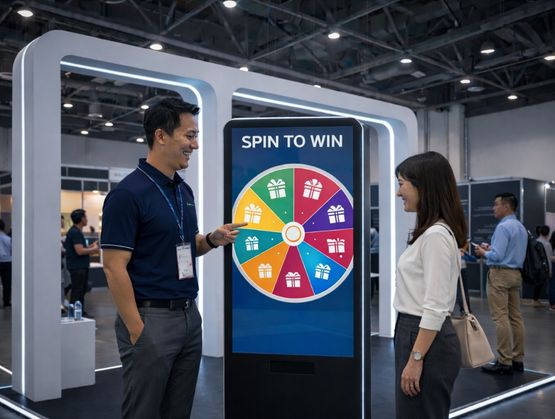
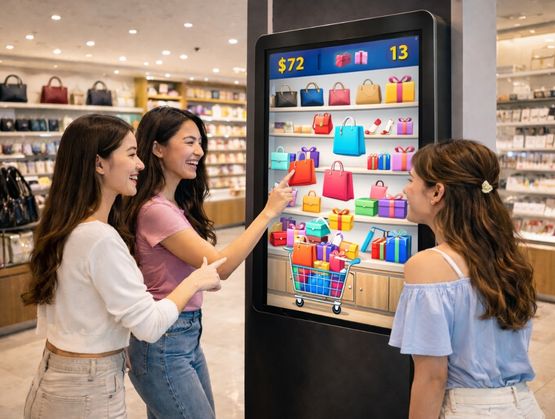
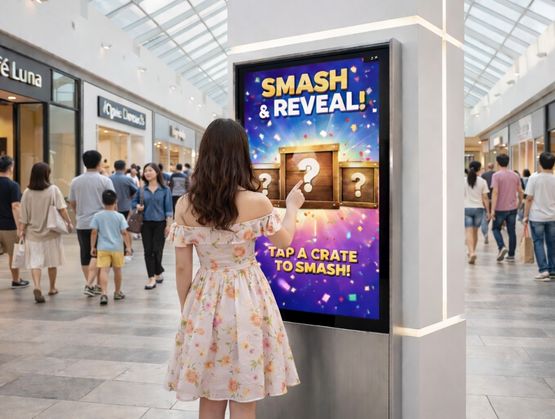
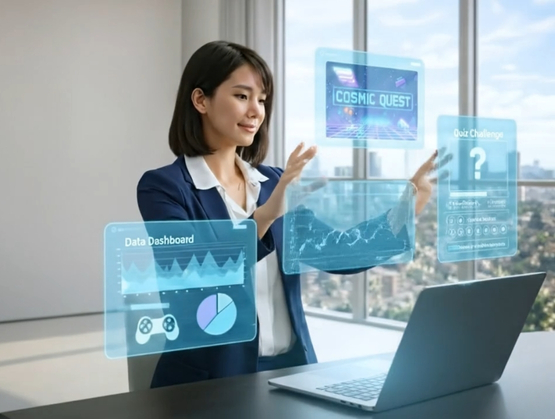
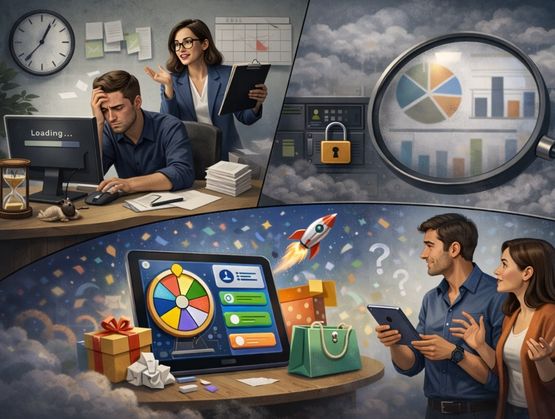
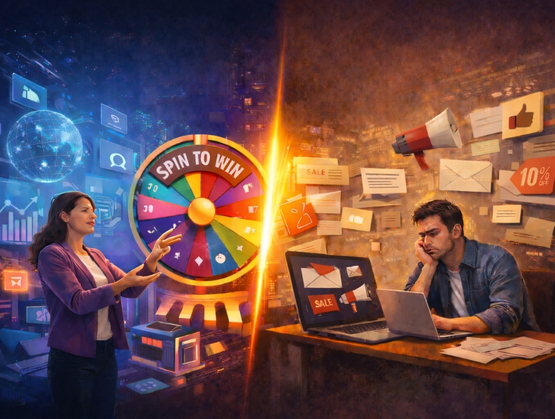
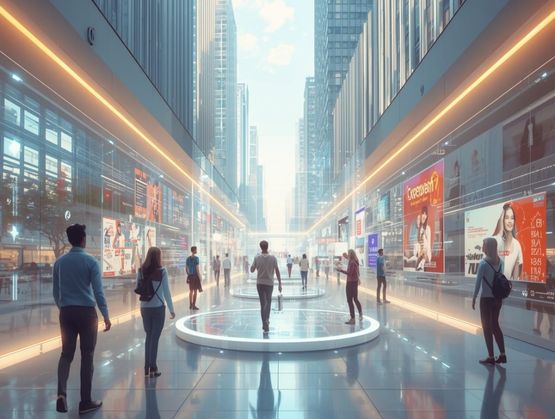
Interactive experiences are no longer experimental, they’re becoming the foundation of how brands connect with audiences. In 2026, technology, data, culture, and creativity are converging to reshape engagement in ways that go far beyond traditional campaigns.
Why 2026 Matters for Brand Engagement
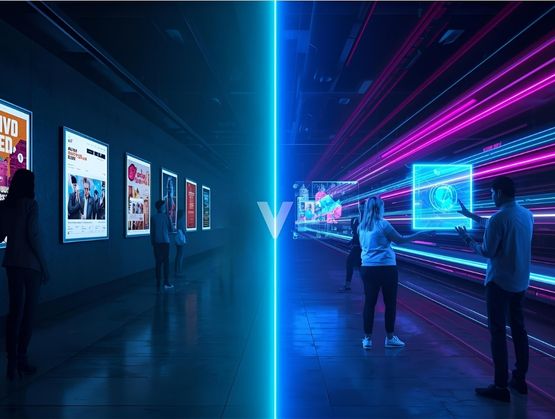
As we head into 2026, the role of interactive experiences in brand engagement is evolving faster than ever. Interactive campaigns used to be niche, limited to occasional mobile games or event touchpoints. Now, they are woven into the fabric of creative strategy, digital journeys, and cultural storytelling — shaping how audiences participate with brands, not just consume them.
The future of engagement is not about ads that interrupt, it’s about experiences that invite, resonate, and adapt based on individual behaviour and cultural context.
1. Experiences Become the New Creative Platform
One of the defining shifts for 2026 is this: Brands will increasingly build their own storytelling worlds. According to industry leaders at VIRTUE Asia, the next wave of creativity will focus on designing brand-owned entertainment and cultural IP, stories that audiences can inhabit, explore, and become part of.
Instead of traditional campaign bursts, brands will invest in experience ecosystems — multiple touchpoints that unify digital, physical, social, and immersive formats into cohesive narratives. Think of interactive story worlds that unfold over time, personalized to each audience segment, rather than one-size-fits-all ads.
This approach means campaigns are no longer temporary bursts, they become ongoing experiences with long-term cultural relevance.
2. Hybrid & Immersive Brand Experiences Will Take Center Stage
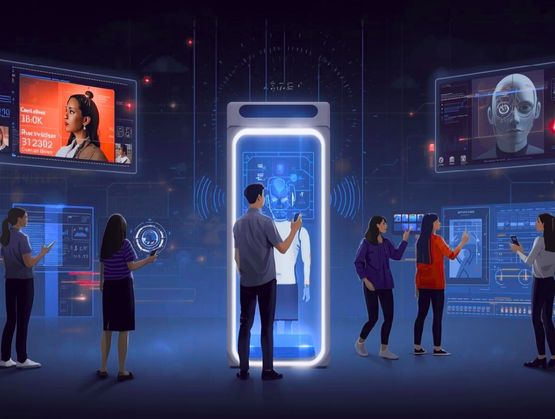
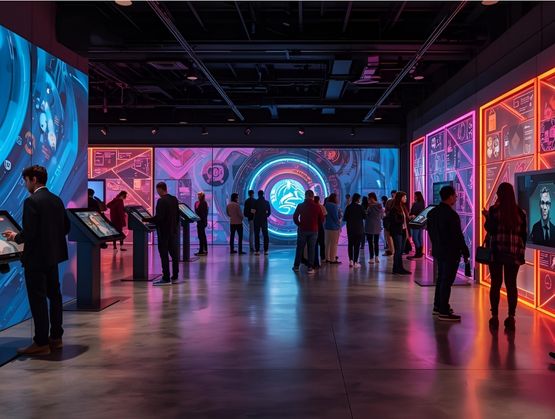
Experiential and hybrid experiences — blending the physical and digital, will continue to grow. By 2026, immersive technologies like augmented reality (AR), virtual reality (VR), and extended reality (XR) are expected to be embedded into how brands interact with consumers across touchpoints.
Immersive experiences create multi-sensory engagement, allowing users to interact with products and stories at deeper levels. Hybrid activations blur the line between online and offline, giving users seamless continuity from social content and mobile to in-store exploration and real-world environments.
For example, brands are investing in in-home AR try-ons, digital collectibles tied to real products, and location-based AR journeys that extend campaigns beyond clicks and taps.
3. Data & AI Will Drive Real-Time Personalisation
2026 will be the year that AI and advanced analytics become fundamental to interactive experiences. AI won’t just support creative execution, it will power real-time adaptation of campaigns based on audience behaviour, preferences, and emotional responses.
Instead of static interactions, experiences will shift in real time, offering personalized content, rewards, recommendations, and even narrative paths that change based on how people engage.
This means:
- Campaign flow changes based on interaction patterns
- Personalised story beats for different segments
- Predictive recommendations in real-time engagement
- Hybrid models where user choices influence outcomes
Marketers will need tools that manage, analyse, and activate data across touchpoints to make this level of personalisation work.
4. Creator-Led Experiences Will Redefine Engagement Metrics
Creators and micro-influencers are becoming even more integral to interactive brand engagement, not just as distribution partners, but as co-creators of dynamic, participatory content.
According to industry reports, creator ad spend is rapidly growing, and brands are recognizing that creators can unlock cultural relevance and authenticity that traditional advertising struggles to achieve.
In 2026:
- Brands will work with creators to co-design experiences, not just promote them
- Interactive formats like performative challenges, co-authored stories, and live participatory events will drive deeper engagement
- Audiences will increasingly expect creator-infused experiences rather than brand-driven broadcasts
This approach elevates engagement from a one-way message to collaborative cultural participation.
5. Human Connection & Trust Become Core Drivers
As digital noise intensifies, audiences will gravitate toward brands they feel speak to them rather than at them. Recent trend analyses suggest that even as AI and automation grow, authenticity, emotional resonance, and narrative trust will become critical differentiators.
In 2026:
- Storytelling experiences will emphasize human connection
- Transparency and meaning will be core drivers of engagement
- Campaigns will balance automation with genuine human nuance
- Community-centric storytelling will outperform purely algorithmic content
This reflects a broader shift: technology enables engagement, but the message and experience must still resonate on a human level.
6. Cross-Channel & Cross-Platform Storytelling Will Win
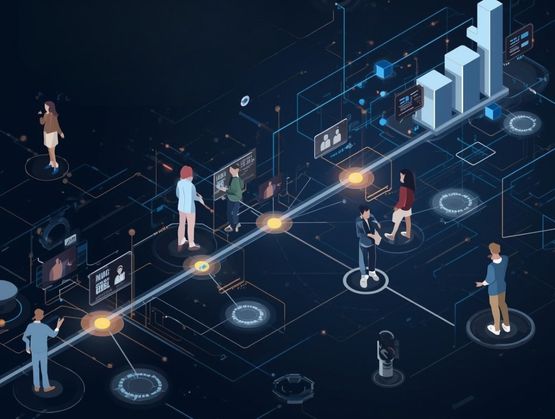
The future of engagement is interconnected. Interactive experiences in 2026 will not live on a single platform but will span screens, channels, and physical spaces — allowing audiences to move seamlessly between touchpoints while maintaining narrative continuity.
For example:
- An AR product story might start on social, continue in an immersive app, and culminate in a hybrid event
- A gamified journey may bridge in-store displays and digital rewards
- Interactive storytelling may incorporate UGC, video, chat, and live activations into a single narrative ecosystem
This model mirrors the concept of transmedia storytelling where a story unfolds across multiple formats and platforms, each contributing meaningfully to the whole.
7. Measurable Engagement & ROI Will Be Non-Negotiable
In 2026, engagement alone won’t be enough. Marketers and CMOs will demand measurable ROI from interactive experiences, linking creative outcomes directly to business impact — whether that’s acquisition, retention, advocacy, or revenue.
This shift means experiences must:
- Deliver quantifiable outcomes
- Tie engagement to data insights
- Connect campaign metrics to sales or loyalty outcomes
- Use real-time analytics to refine experiences during execution
The economics of engagement will shift from “likes and views” to meaningful brand outcomes.
Into a Future Driven by Interaction, Culture, and Technology
The future of brand engagement in 2026 will be defined by experiences that are:
- Intelligent and adaptive
- Personalised and predictive
- Creative and culturally native
- Human-centric and measurable
Interactivity will no longer be a campaign add-on — it will be the centerpiece of brand growth strategy, shaping how audiences feel, interact, and connect with brands across every touchpoint.
Brands that embrace this shift will build not just campaigns — but engagement ecosystems that grow loyalty, drive outcomes, and create cultural longevity.
Ready to Shape the Future of Engagement? Partner with Real Nation
At Real Nation, we help brands design interactive experiences that feel alive — built for the culture, data-driven in execution, and human at heart. Whether you’re planning immersive experiences, AI-enhanced engagement, or hybrid interactive campaigns, our team can help define your place in the future of brand engagement.
Let’s build the next generation of experiences together. Contact Real Nation today.