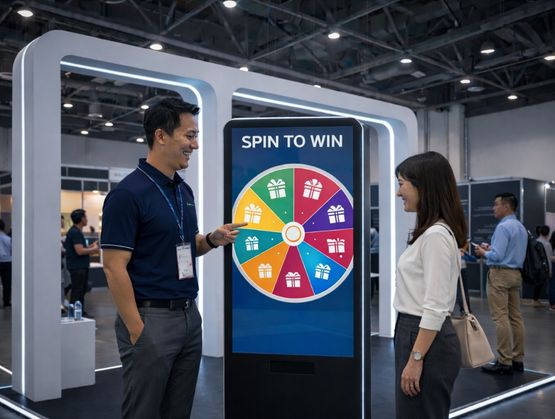
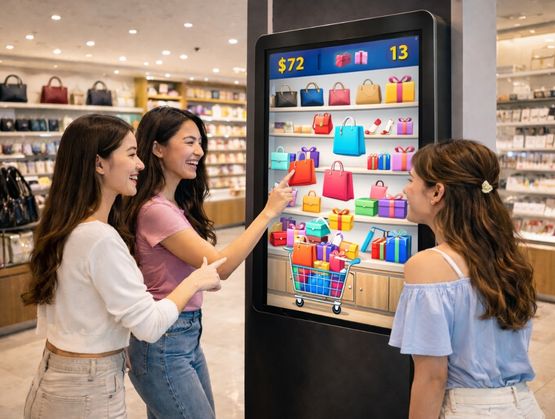
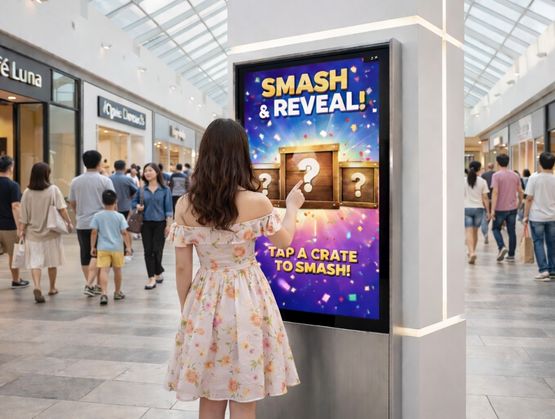
In a world where attention is fragmented, consumer expectations are rising, and competition for meaningful engagement is fiercer than ever, experiential marketing is no longer a “nice-to-have.” By 2026, experiential strategies will be key to how brands connect, convert, and cultivate loyalty — whether online, in-person, or in hybrid environments.
Experiential marketing has evolved far beyond a booth or a one-off event. It’s now a strategic ecosystem where story, community, data, emotion, and technology intersect to create interactions that audiences remember and share.
Here’s what brands must do in 2026 to stay relevant.
What Experiential Marketing Means Today
Experiential marketing — also known as engagement marketing or brand activation, focuses on creating interactive, memorable encounters between brands and consumers. Rather than passive consumption, it invites active participation, emotion, and relationships.
Today’s digital native consumers expect more than a message: they want moments to be part of the brand story.
1. Build Hybrid Experiences That Blur Digital and Physical Worlds
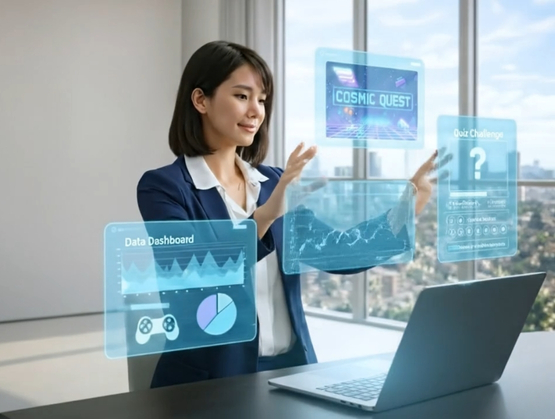
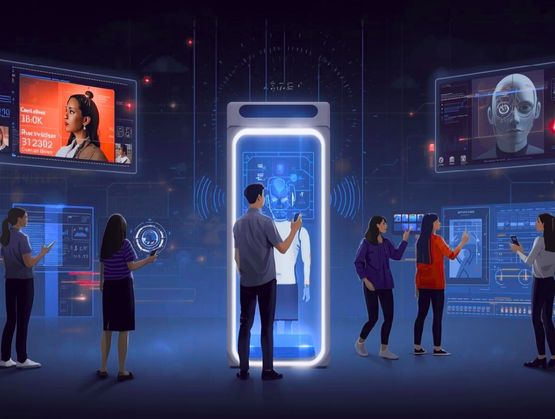
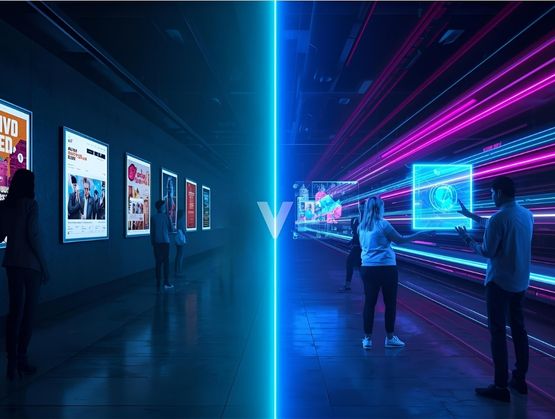
The most successful 2026 experiential campaigns will bridge online and offline — combining live activations with digital interaction, immersive tech, and virtual engagement. Whether it’s an AR product reveal, a virtual showroom, or a live event connected to social campaigns, hybrid strategies extend reach while preserving depth.
This is no longer optional. Brands that keep physical and digital separate will struggle to deliver unified engagement journeys. Instead, experiential strategies must be crafted as ecosystems, not one-offs.
2. Lead with Purpose, Authenticity, and Emotional Resonance
According to the 2026 global experiential forecast by HAVAS Red, brands that succeed will be those that lead with purpose, human emotion, and cultural relevance. Bold creative risks, deep cultural insight, and emotional resonance will outperform generic activations.
Audiences increasingly reject dull or formulaic activations. Instead, they gravitate toward experiences that:
- Tell a meaningful story
- Celebrate community and fandom culture
- Make people feel something real
This means activism, sustainability, inclusion, and cultural relevance are no longer add-ons — they are central to impactful experience design.
3. Use Data and AI to Make Experiences Personal — and Measurable
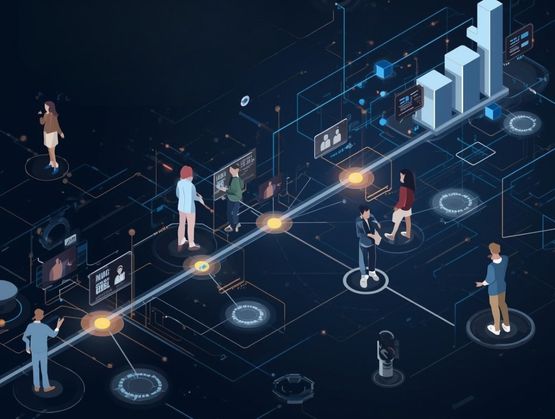
In 2026, experiential marketing won’t just be creative — it will be data-driven. Brands must leverage advanced analytics, AI, and real-time measurement to understand engagement beyond simple impressions.
Smart measurement enables:
- Real-time optimisation of experiences
- Personalised journey design at scale
- Stronger links between engagement and ROI
Experiences aren’t just memorable — they’re actionable data points that feed into CRM systems, loyalty programs, and future activations.
4. Embrace Sustainability, Inclusion, and Community-First Design
Sustainability and inclusion are no longer buzzwords — they are expectations. The experiential ecosystem of 2026 will prioritize activations that:
- Minimise environmental impact
- Use ethical materials and modular installations
- Include accessibility and cultural representation as core design elements
- Support community-led co-creation and local agendas
Audiences increasingly reward brands that reflect their values and participate in systemic change, not just consumption.
5. Activate Fandom and Creator-Led Engagement
Creator partnerships and fandom-centric experiences are reshaping how brands think about participation. Industry events like Cannes Lions 2025 emphasised the importance of creator-led experiences — from immersive events to co-creation with community ambassadors.
Creators lead micro-communities and cultural moments, making them ideal partners for experiential activations that feel authentic rather than commercial.
6. Redefine Participation Beyond “Attendance”
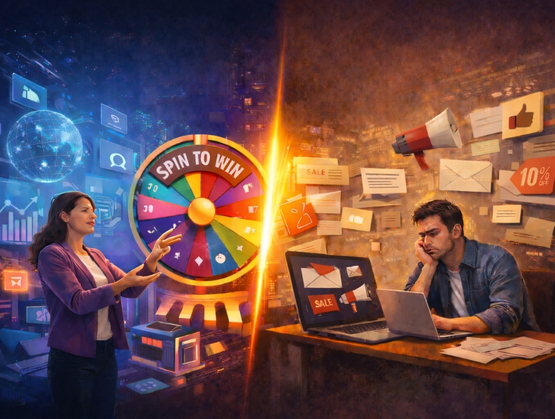
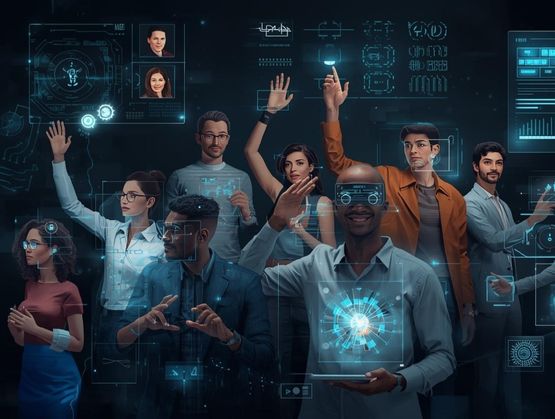
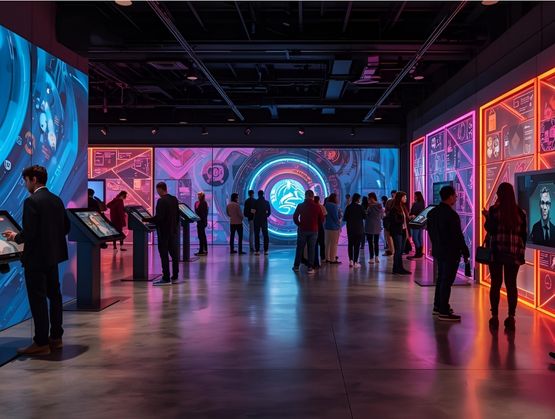
In 2026, experiential marketing must go beyond bringing people to an activation — it must bring people into the narrative. Whether through interactive content, gamified challenges, or immersive storytelling, audiences should feel like active participants, not observers.
Examples include:
- AR/VR environments that react to user input
- Story arcs that change based on behaviour
- Social integrations that amplify user participation
- Hybrid worlds blending digital and physical touchpoints
The future of engagement is co-creative, not linear.
7. Focus on Measurable Impact — and ROI
Experiential marketing in 2026 must be accountable. Marketing leaders are increasingly tying event and experience spend directly to broader business outcomes such as:
- Conversion uplift
- Loyalty growth
- Community expansion
- Advocacy rates
- Predictive lifetime value
Reports show experiential and events are climbing in marketer priority — a clear signal that brands are backing investments with expectations for measurable impact.
How Brands Win in 2026
Experiential marketing in 2026 isn’t about one big event or flashy stunt. It’s about strategy, emotion, data, and authenticity.
Brands that succeed will:
- Merge digital and physical interactions
- Use data and AI to personalise and measure experiences
- Lead with purpose, sustainability, and inclusion
- Partner with creators and community leaders
- Transform every touchpoint into a meaningful story
The brands that stay relevant are not just remembered — they are felt.
Ready to Build the Future of Experiential Engagement?
At Real Nation, we help brands design and execute experiential strategies that resonate, engage, and deliver measurable outcomes. From immersive hybrid experiences to data-driven activations and community-centric campaigns, we build campaigns that connect with purpose.