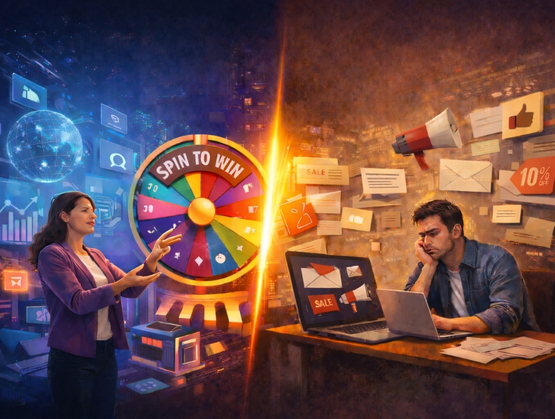
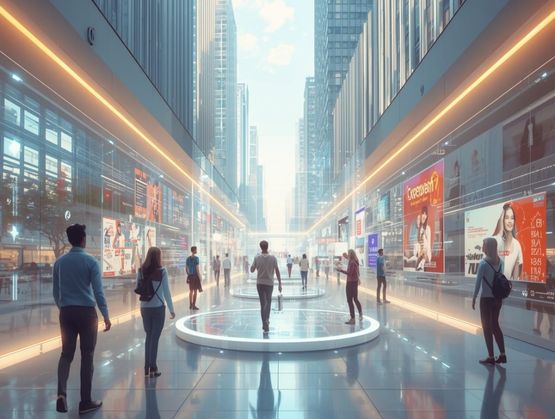
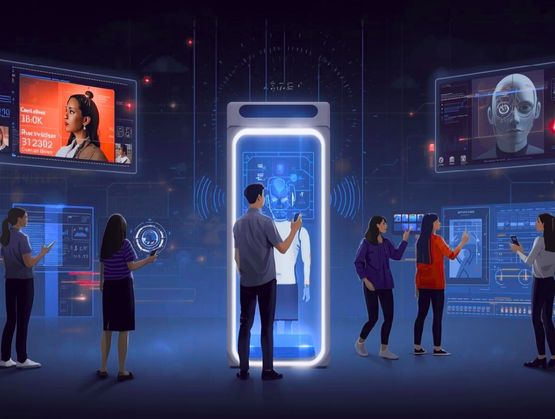
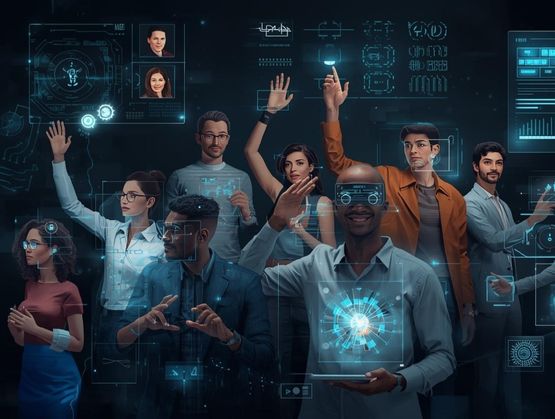
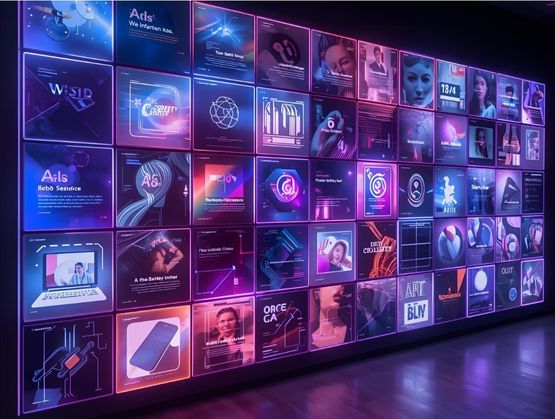
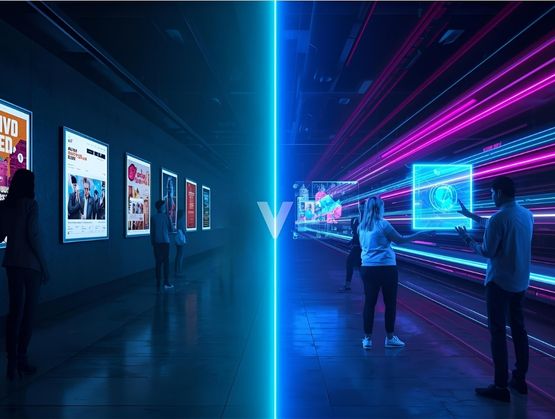
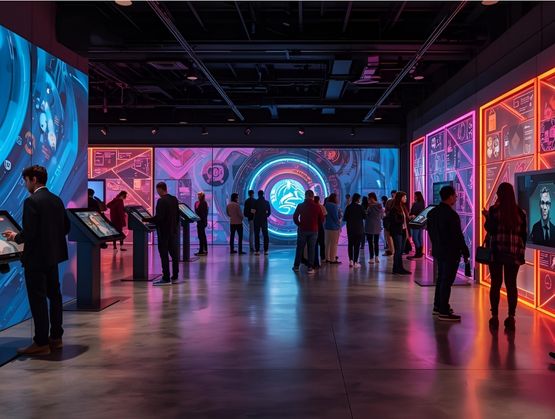
AI has become one of the most powerful tools shaping modern interactive experiences. In today’s interactive campaigns, AI has become part of the experience itself, shaping how users engage, personalise content, create, play, and connect with brands.
Many of these AI-powered experiences are built on foundational interaction mechanics such as gesture control, motion tracking, sensors, and AR. If you’d like a deeper look at these technologies, explore our guide on The Types of Interactivity Tools, where we unpack how different tools power modern interactive experiences.
Here’s how AI is being used in real interactive campaigns today with brand examples that show what’s possible.
1. AI-Powered Personalisation: Experiences That Adapt to Every User
One of the most powerful uses of AI in interactive campaigns is personalisation. Instead of showing everyone the same experience, AI allows campaigns to adapt in real time based on user behaviour, preferences, and choices.
Source: Nike
A well-known example is Nike, which uses AI across its digital experiences to personalise product recommendations, sizing guidance, and user journeys. Campaigns powered by Nike Fit and personalised retail experiences demonstrate how AI can turn interaction into relevance, helping users feel the experience was built specifically for them.
Why it works: Personalisation increases engagement, dwell time, and conversion because users feel seen — not marketed to.
2. AI Photo Booths: Turning Participants into the Content
Source: Immersify Technology
AI photo booths have become one of the most shareable interactive tools in modern campaigns. These experiences use AI to instantly transform user photos into something new, often surprising, playful, and highly social.
Brands and agencies globally have deployed AI photo booths that offer:
- Face swap experiences
- Background replacement without green screens
- AI-generated portraits in different artistic styles
- Short AI-generated motion clips or animated videos
Campaigns using AI photo booths often show participants transforming into characters, entering branded worlds, or receiving personalised visuals in seconds.
Why it works: AI photo booths turn users into creators. Every output becomes shareable content, extending campaign reach organically through social platforms.
3. AI Chat & Interactive Storytelling: Campaigns That Talk Back
Source: ChatGPT
AI has also unlocked a new form of interactive storytelling, one where campaigns respond, converse, and adapt based on what users say or choose.
Conversational AI has been widely adopted in brand experiences that guide users through stories, quizzes, and decision-based journeys. A strong reference point is how conversational AI platforms (including brand experiments inspired by large language models) allow users to “talk” to characters, advisors, or story worlds instead of clicking through static screens.
Some brands use AI chat to:
- Guide users through an interactive narrative
- Act as a brand character or host
- Recommend content or paths based on responses
- Create playful, conversational quiz experiences
Video demos of AI conversational experiences are often shared as screen recordings or campaign walkthroughs, showing how dialogue drives the experience forward.
Why it works: Conversation feels natural. When campaigns respond intelligently, users stay longer and engage deeper.
4. AI Generative Content: Creating Something Unique for Every User
Generative AI allows campaigns to produce content on demand, meaning every participant can receive something different.
Source: Ogilvy
One of the most referenced examples is Nutella’s “7 Million Unique Jars”, where generative systems created millions of unique designs. While the campaign focused on packaging, the idea has since influenced interactive campaigns that generate:
- Personalised artwork
- Custom visuals
- Campaign-themed digital collectibles
- AI-generated messages or designs
Source: Coca-Cola
Similarly, Coca-Cola demonstrated the power of AI-driven personalisation through its “Create Real Magic” campaign, where the brand invited digital artists and creators to co-create original artwork using a new AI platform. By combining Coca-Cola’s iconic brand assets with generative AI tools, participants could produce unique visuals while still staying within a cohesive brand world.
The campaign showed how AI can scale personalisation creatively, allowing thousands of individuals to generate their own interpretations of the brand, without compromising consistency. It’s a strong example of how AI enables interactive campaigns to feel personal, expressive, and participatory at a global scale.
Why it works: Generative content makes experiences feel exclusive. Users value what feels one-of-a-kind — and they love sharing it.
5. AI Behaviour Recognition: Experiences That React to You
Source: JCDecaux
Another emerging but powerful use of AI is behaviour recognition, where experiences respond to facial expressions, movement, or engagement cues.
In interactive campaigns, this can include:
- Smiling to trigger an effect
- Facial expressions unlocking content
- Body movement influencing visuals
- Attention detection adjusting pacing or flow
Why it works: When the experience reacts to you, it feels alive. Behaviour-based interaction creates emotional connection and memorability.
6. AI for Deeper Insights: Understanding Engagement Beyond Clicks
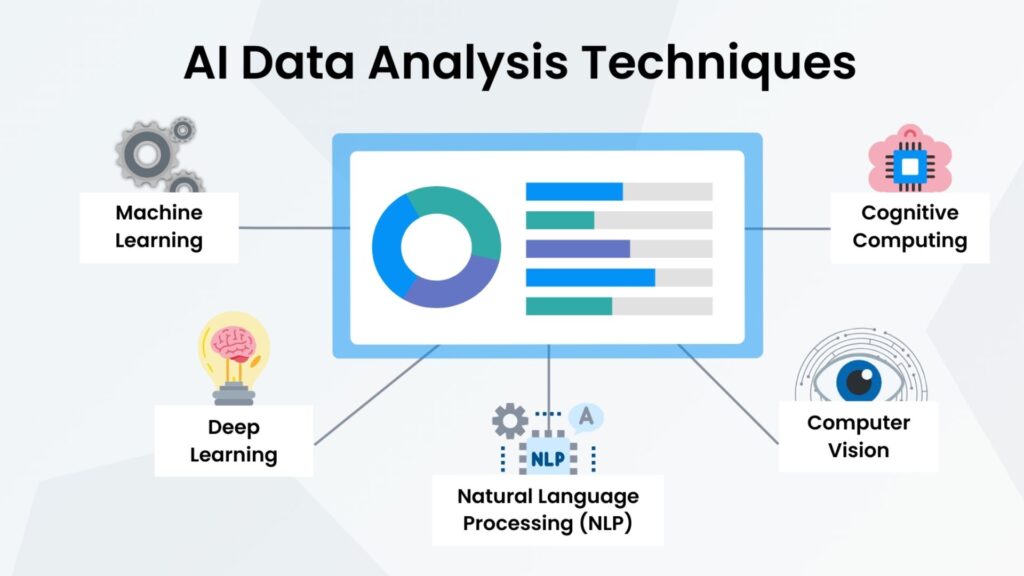
Beyond what users see, AI is also transforming what brands learn.
Instead of relying only on clicks or views, AI can analyse:
- How users move through an experience
- Which choices they make
- Where engagement peaks or drops
- Behaviour patterns across different user types
- Indicators of intent and interest
Many brands now use AI-driven analytics to refine interactive campaigns in real time, optimising content, rewards, and flows based on how people actually behave.
Why it works: Better insights lead to better experiences. AI helps brands design smarter campaigns, not just louder ones.
AI Is Changing What Interactive Campaigns Can Be
AI has shifted interactive experiences from simple mechanics to intelligent systems that adapt, respond, and create alongside users. Whether it’s personalisation, photo booths, conversational storytelling, generative content, behaviour recognition, or deeper insights, AI is redefining how brands engage audiences.
In 2025 and beyond, the most successful interactive campaigns won’t just be interactive — they’ll be intelligent.
Creating Intelligent AI-Enabled Interactive Experiences with Real Nation
At Real Nation, we believe the future of engagement lies in intelligent interactions that feel meaningful, personal, and alive. We help brands explore how AI can enhance interactive experiences from concept to execution, creating campaigns that people don’t just see, but actively take part in.
If you’re ready to explore how AI can elevate your next interactive campaign, we’d love to do it together.