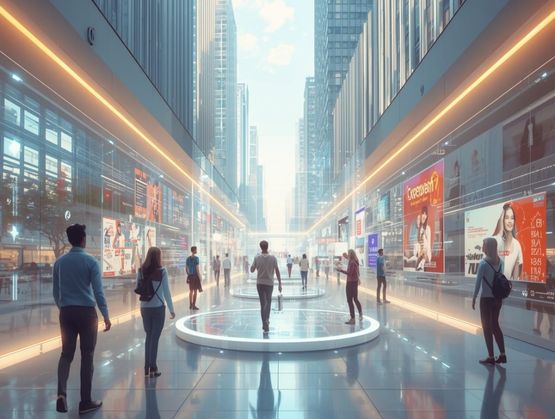
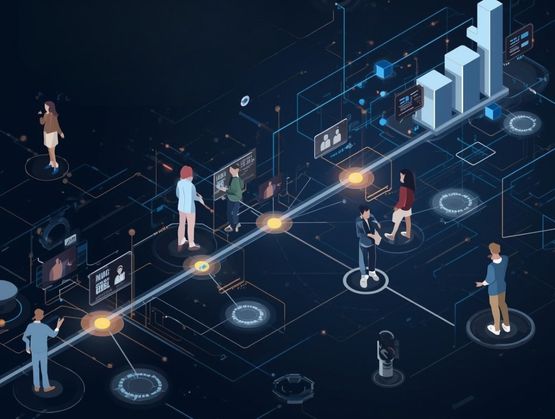
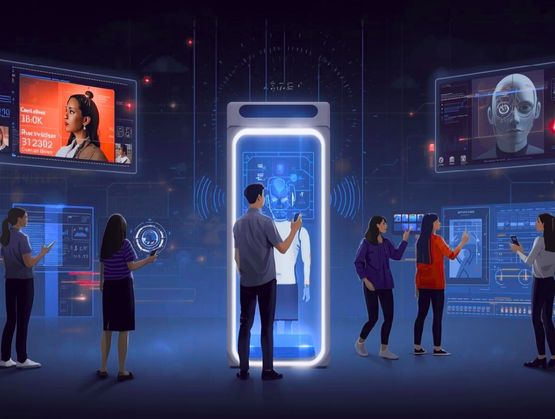
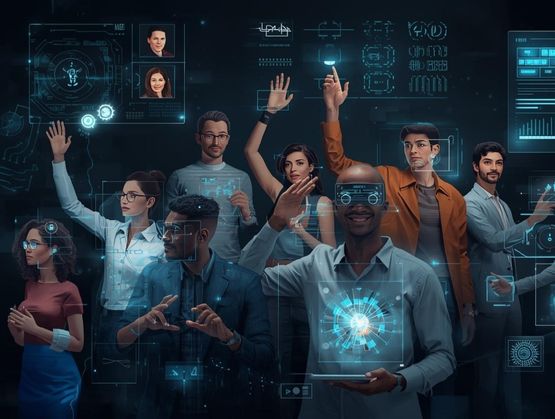
Interactive campaigns today are not limited to physical activations or on-ground events. With the rise of web-based engagement, AI-driven content, mobile interactivity, AR-enabled ads, and touch-free interfaces, brands are now able to create digital experiences that users can interact with from anywhere.
If you’re new to the concept, we’ve covered what an interactive campaign is in detail in our earlier article, explaining how participation turns audiences into active participants rather than passive viewers.
But what actually powers these digital experiences?
Below is a breakdown of the core interactivity tools used in today’s high-performing digital campaigns — including touch, gesture, motion, face tracking, AR, sensors, gamification, and more. You’ll also see how each tool enhances brand experiences, let’s dive in.
1. Touch Interaction — The Core of Digital UI Engagement

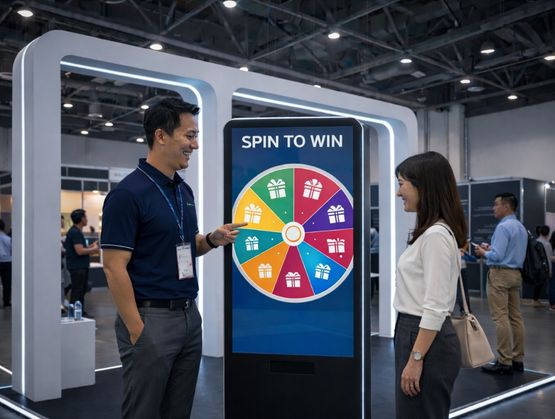
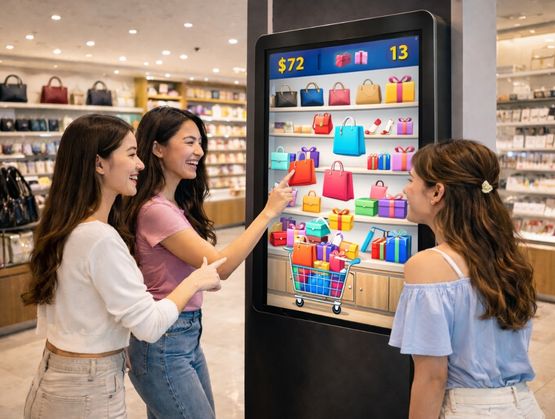
Touch interaction isn’t limited to physical kiosks — it’s foundational to almost every digital experience. On mobile and web campaigns, users tap, swipe, scroll, pinch, and drag to navigate interactive content.
How it enhances campaigns:
- Gamified web experiences
- Interactive product showcases
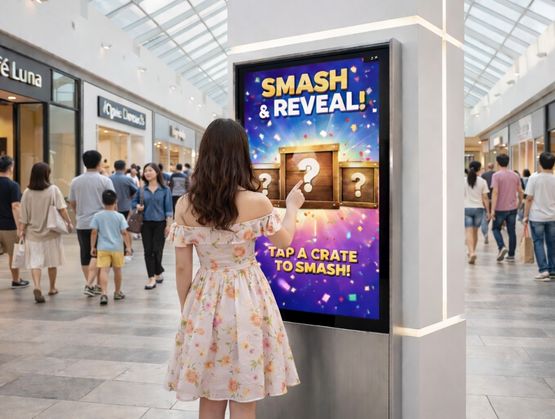
- Tap-driven animations or “reveal” moments
- Mobile loyalty challenges
- Web-based story journeys or branching narratives
Why it works: Touch is natural and universally understood — essential for digital storytelling.
2. Gesture Detection — Touch-Free Digital Interaction

How it enhances campaigns:
- Hands-free interactive experiences
- Motion-triggered animations or menus
- Playful gesture-controlled games
- Interactive ads or installations
Why it works: Gesture-based engagement feels futuristic and instantly captures attention.
3. Body Motion Tracking — Turning Users Into Digital Controllers
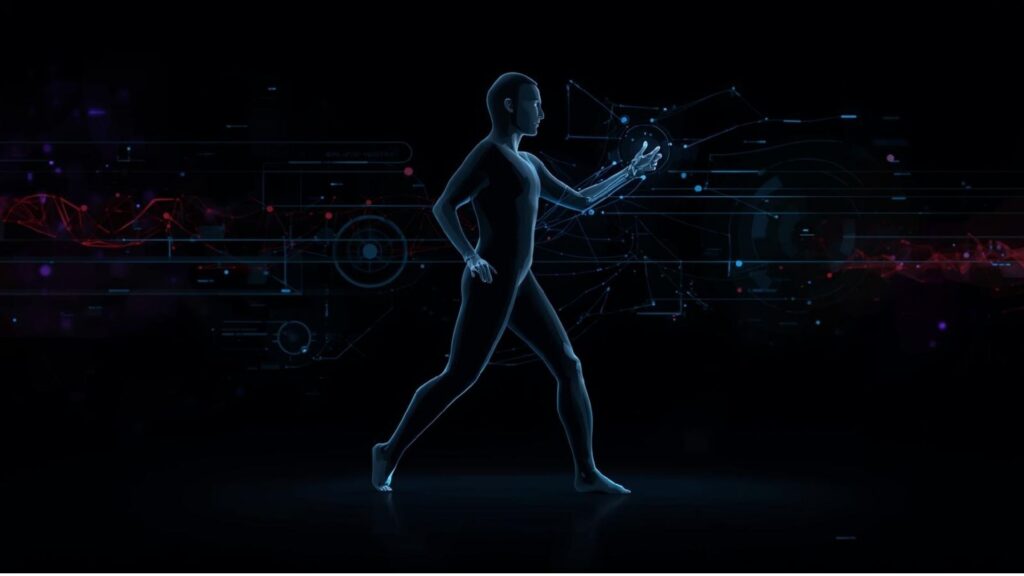
Motion tracking uses AI pose estimation to let users interact through movement.
How it enhances campaigns:
- Movement-based challenges
- Dance, sports, fitness-inspired experiences
- Character or avatar control
- Participatory digital content
Why it works: Even subtle motion can trigger meaningful brand interactions.
4. Facial Detection — Content That Responds to a Face

Facial detection identifies when someone is present and can adjust content accordingly.
How it enhances campaigns:
- Screens or content that respond when a face appears
- Camera-activated digital experiences
- Face-reactive animations
- Personalised greetings or surprises
Why it works: This creates a sense of “the content sees me,” which increases emotional connection.
5. Face & Mouth Tracking — Expression-Led Interactivity

Face tracking maps expressions like smiling, raising eyebrows, or opening your mouth — perfect for playful digital content.
How it enhances campaigns:
- AR face filters
- Expression-triggered mini-games
- Interactive social challenges (smile to win, open your mouth to trigger effects)
- Social media interactive content
Why it works: Humans love seeing themselves transformed — making this extremely shareable.
6. Multi-Person Tracking — Interaction Designed for Groups
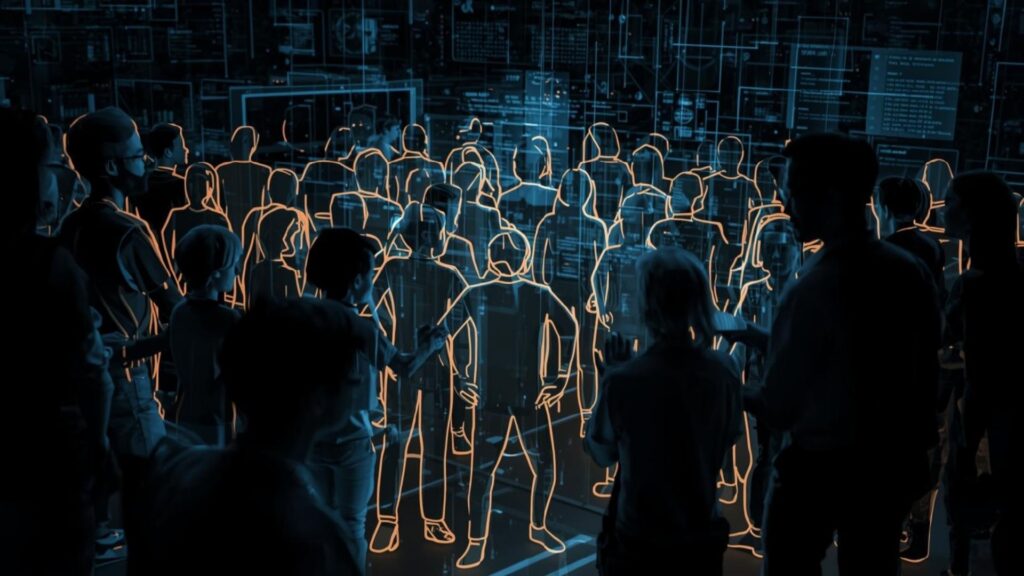
Digital experiences can detect multiple people enabling multi-user interactivity.
How it enhances campaigns:
- Multiplayer games
- Group challenges
- Shared interactive content
- Crowd-responsive environments
Why it works: More participants create more excitement and more shareable moments.
7. Voice Interaction — When Sound Becomes the Controller

Voice detection or speech recognition adds another layer of interactivity.
How it enhances campaigns:
- Voice-command browser games
- Interactive storytelling (“say YES to continue”)
- Speech-triggered animations
- Voice-led quizzes or games
- Sound-triggered effects
Why it works: Speaking to digital content feels futuristic and frictionless.
8. Object Recognition & AR Marker Tracking — Bridging Digital + Real
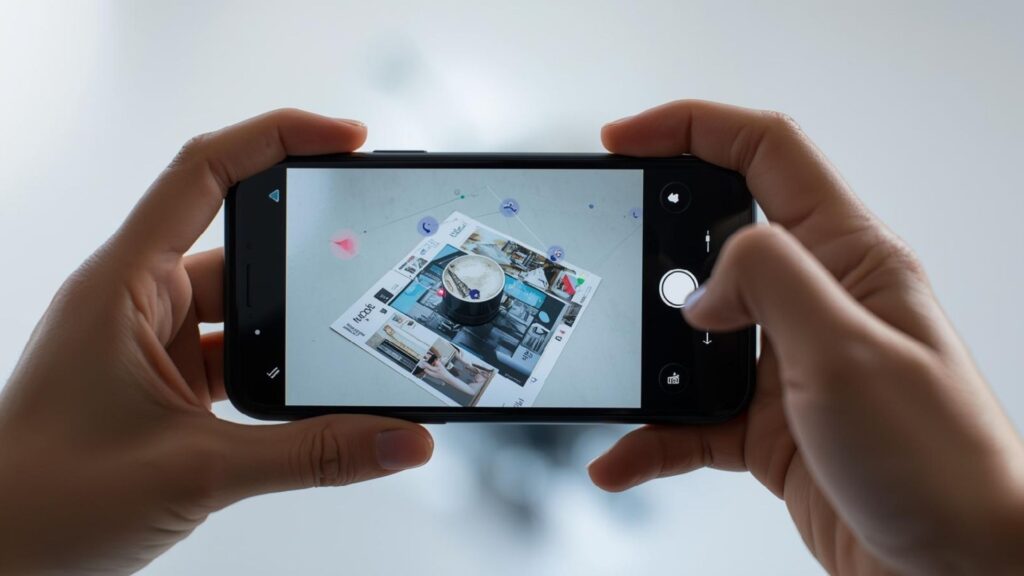
AR-based object recognition identifies images, packaging, or QR markers to trigger interactive content.
How it enhances campaigns:
- Scan-to-unlock AR experiences
- Packaging-based interactivity
- AR product demos
- Marker-triggered animations
Why it works: This brings products and printed media to life — great for omni-channel storytelling.
9. Environmental Sensors — Interaction Triggered by the World Around You
Sensors such as proximity, motion, light, or pressure can trigger events.
How it enhances campaigns:
- GPS-based challenges
- Proximity-activated content
- Motion-responsive displays
- Sound or light-triggered effects
- Sensory-based interactions
Why it works: These create moments of surprise and delight.
10. Mobile & Device Sensors — Interaction Powered by the User’s Device
Many interactive campaigns now use native phone sensors:
- Accelerometer
- Gyroscope
- GPS
- Compass
How it enhances campaigns:
- Tilt-to-play games
- Shake-to-unlock rewards
- Location-based storytelling
- AR navigation or discovery journeys
Why it works: These features make mobile experiences feel dynamic and personal.
11. Gamification — The Engagement Layer Behind Every Tool

Gamification isn’t a technology — it’s a strategy. But it’s a crucial part of interactive campaigns.
Examples:
- Points, badges, levels
- Challenges and missions
- Leaderboards
- Streaks or progress bars
- Unlockable rewards
Why it works: Gamification increases both engagement and conversion across any platform.
Final Thoughts
Digital-first interactivity is no longer the future — it’s the expectation. Brands that understand how to combine these tools will lead the next era of digital engagement.
At Real Nation, we help brands transform ideas into intelligent, interactive experiences that feel alive. Designed for participation, emotion, and real-world impact. If you're exploring how to bring interactivity into your next digital campaign, activation, or brand experience, our team would love to collaborate and build something powerful with you.
Start your journey today. Reach out to us and let’s create what’s next together.